Prevent, Safeguarding and Whistle blowing
There is a strong culture of safeguarding across the school. Staff are trained to identify signs of abuse and other risks of harm. They report any concerns they have about a pupil’s welfare. Leaders work well with outside professionals, including the police and social services. The school’s pastoral team goes over and above to provide additional support for pupils and their families. Staff teach pupils how to keep themselves safe. This includes staying safe online and understanding what safe and healthy relationships look like. – Ofsted, November 2022
"Pupils feel safe at school and attend regularly. They describe their school as 'brilliant, kind and understanding'."
Ofsted, November 2022
Safeguarding is everyone's responsibility. All staff, volunteers and governors receive regular safeguarding training and are alert to signs that a child may be at risk of harm. We work closely with families and outside agencies to make sure children get the right help at the right time.
Keeping Children Safe in Education 2026
Keeping Children Safe in Education 2026 (KCSIE 2026) is the updated statutory guidance that all schools and colleges in England must follow to safeguard children under 18, which came into force on 1 September 2026.
Our safeguarding team
The Prevent duty
Since 2015, schools have had a legal duty to help prevent people being drawn into terrorism. At Springcroft, this means teaching children about respect, tolerance and the rule of law through our curriculum and assemblies, and staff being trained to recognise and respond to signs a child may be at risk of radicalisation. If you have a concern, please speak to our DSL in the first instance.
Whistleblowing
If a member of staff, volunteer or visitor has a concern about the conduct of an adult at Springcroft, including the Headteacher, they can raise this confidentially without fear of reprisal. Concerns can be raised with the DSL, DDSL, or the Chair of Governors, in line with our Whistleblowing Policy. If you would prefer to raise a concern externally, the NSPCC Whistleblowing Advice Line is available on 0800 028 0285.
Reporting a concern
If you're worried about a child's safety or wellbeing, please speak to a member of our safeguarding team above. Outside school hours, or if a child is in immediate danger, contact:

What Operation Encompass means for us
If police officers attend an incident of domestic abuse at a child's home, and that child is a pupil at our school, the police will notify our Designated Safeguarding Lead before the start of the next school day. This means we can offer the right support to a child quietly and quickly, without them having to explain what happened or find the words themselves.
Operation Encompass is now enshrined in law. Following the Victims and Prisoners Act 2024, all 43 police forces across England and Wales have a statutory duty to share this information with schools, ensuring the scheme is applied consistently everywhere.
How it works
1Police attend
Police attend a domestic abuse incident where a child from our school was present in the household.
2We're notified
Our Designated Safeguarding Lead receives confidential notification before the start of the next school day.
3We offer support
Staff can quietly adjust the child's day, offering comfort and a safe space, without singling them out or requiring an explanation.
Confidentiality and safeguarding
Only the minimum information needed to support your child is shared with us, and it's treated in strict confidence by our safeguarding team. Operation Encompass doesn't replace our normal safeguarding procedures — it works alongside them, giving us an early, gentle way in to support your family. If you have any questions or concerns, please speak to our Designated Safeguarding Lead.
Further information
In partnership with
NSPCC support and advice
The NSPCC offers fantastic support and advice for both parents and professionals. Their support for parents covers everything from early parenting advice to managing family life, friendships, and staying safe online.
Explore support for parentsUnderstanding and recognising abuse
With Pantosaurus
Talk PANTS
Talk PANTS is the NSPCC's simple way of helping children understand that their body belongs to them, and that they should always tell a trusted adult if something makes them feel upset or worried. Since 2013, Pantosaurus has helped millions of families start this conversation.
P — Privates are private
The parts covered by underwear belong only to your child, and no one should ask to see or touch them.
A — Always remember your body belongs to you
No one should make a child do anything with their body that feels uncomfortable or embarrassing.
N — No means no
A child is always allowed to say no, even to someone they know and love.
T — Talk about secrets that upset you
Good secrets, like surprise parties, feel fun. Bad secrets feel sad or worrying, and should never stay secret.
S — Speak up, someone can help
If something feels wrong, a child should tell a trusted adult — it's never their fault, and talking won't get them into trouble.
Staying safe in our community
Roads and railways
Springcroft sits in a wonderful community with fantastic grounds, but we're also close to busy, fast A-roads and a mainline railway. The resources below help children, parents and families stay safe travelling in and around our area.
Rail safety: Network Rail's Switched On
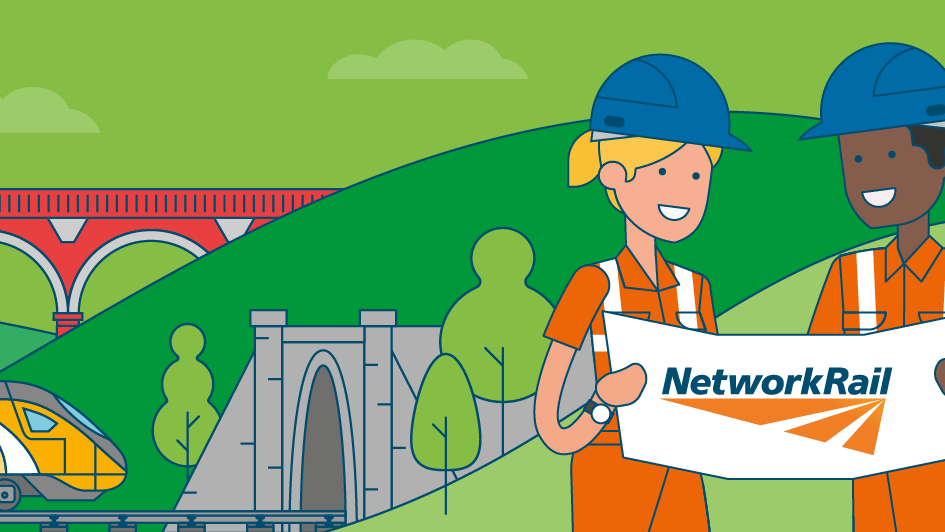
The safety of people on and around the railway is everyone's responsibility, and education is key, especially for young people. Network Rail's Switched On programme provides free, age-targeted films, interactive games and activities for ages 3 to 16, helping children spot risky behaviour and build hazard-awareness skills around the railway.
Switched On
Rail safety for ages 3–16 · Visit site →
Suzi's Journeys
Early Years (ages 3–6) · Visit site →
Arlo's Adventures
Key Stage 1 and 2 (ages 7–11) · Visit site →
Road safety: THINK!
THINK! is the government's official road safety campaign, running for over 75 years and credited with helping reduce UK road deaths significantly since it began. THINK! provides age-targeted films, interactive games and activities that build children's hazard-awareness and safer road habits.
Tales of the Road
Interactive workbook, KS1 and KS2 · Visit site →
Key Stage 1 resources
Lesson plans and activities · Visit site →
Key Stage 2 resources
Lesson plans and activities · Visit site →
Both programmes are free to use at home as well as in school — a great way to bring road and rail safety to life on the school run and beyond.